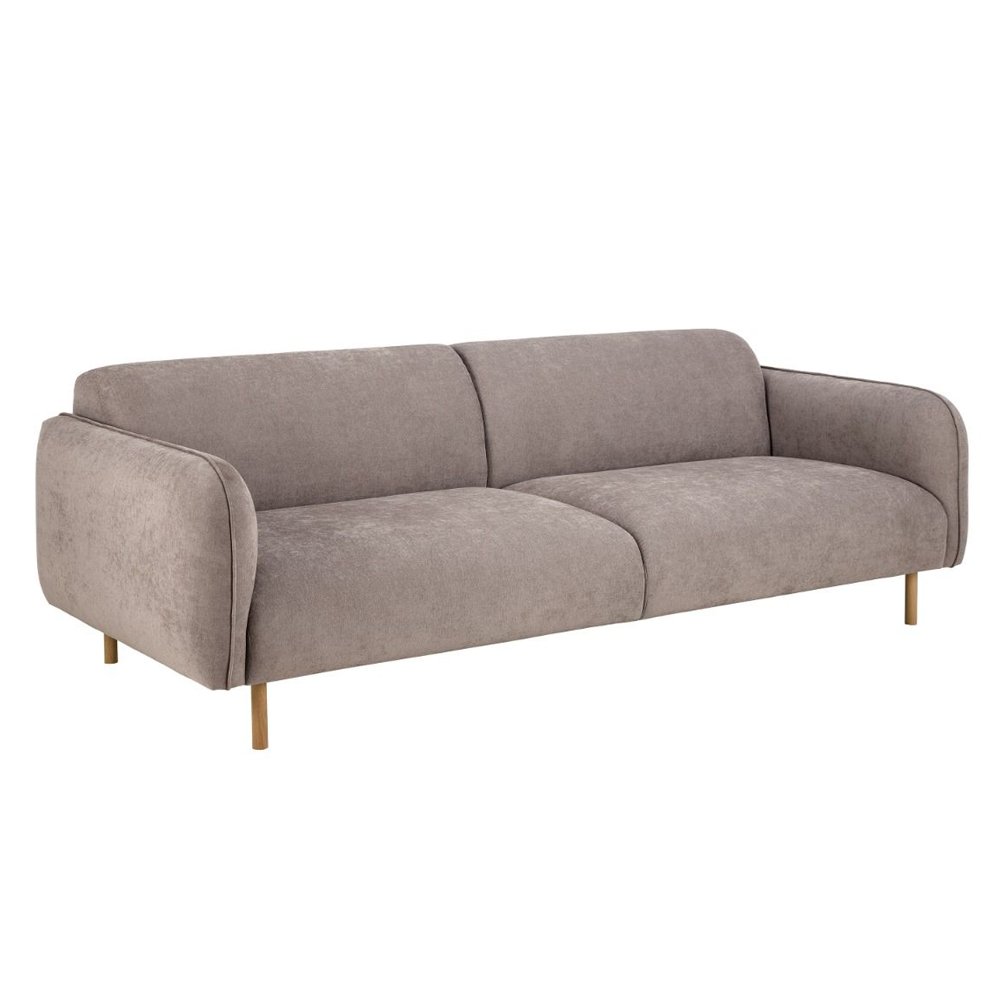
Sofa Arm Height Guide UK: Low Arms vs High Arms
Sofa arm height is easy to ignore when you are comparing width, depth and price, but it changes how a sofa feels, how much visual space it takes up and how comfortable it is for lounging.
There is no single ideal arm height. Low arms can make a sofa feel more open and easier to stretch across, while higher arms can give you a stronger side support and a more enclosed sitting position. The best choice depends on how you sit, the sofa’s seat height, your room and the style you prefer.
What does sofa arm height mean?
Arm height is usually measured from the floor to the highest point of the arm. Retailers may use slightly different measurement methods, so always check the individual product diagram before comparing two sofas.
Arm height is not the same as the height of the arm above the seat cushion. That difference matters because a sofa with a high seat can still have an arm that feels relatively low when you are sitting down.
Is there a standard sofa arm height in the UK?
No. Sofa proportions vary widely by design and brand. Current UK product listings show the spread clearly. Oak Furnitureland currently lists examples with arm heights around 50 cm, 64 cm, 65 cm, 66 cm and 67 cm across different ranges, while Poltronesofà lists one armchair at 66 cm. Some contemporary designs go higher still.
Treat those figures as examples rather than a target. The useful comparison is the arm height together with the seat height, seat depth and overall sofa height.
Low-arm sofas: when do they work well?
A low arm can make a sofa look lighter and less enclosed. This is useful in compact or open-plan rooms where you want to preserve sightlines.
Low arms can also work well if you like to:
- stretch across the sofa;
- rest your head on a cushion at the end of the sofa;
- use the sofa as a relaxed lounging seat;
- keep the silhouette visually low in a smaller room.
Some UK manufacturers offer the same sofa with low-arm and high-arm versions, which shows how much arm design can change the character of the same basic sofa.
High-arm sofas: when do they work well?
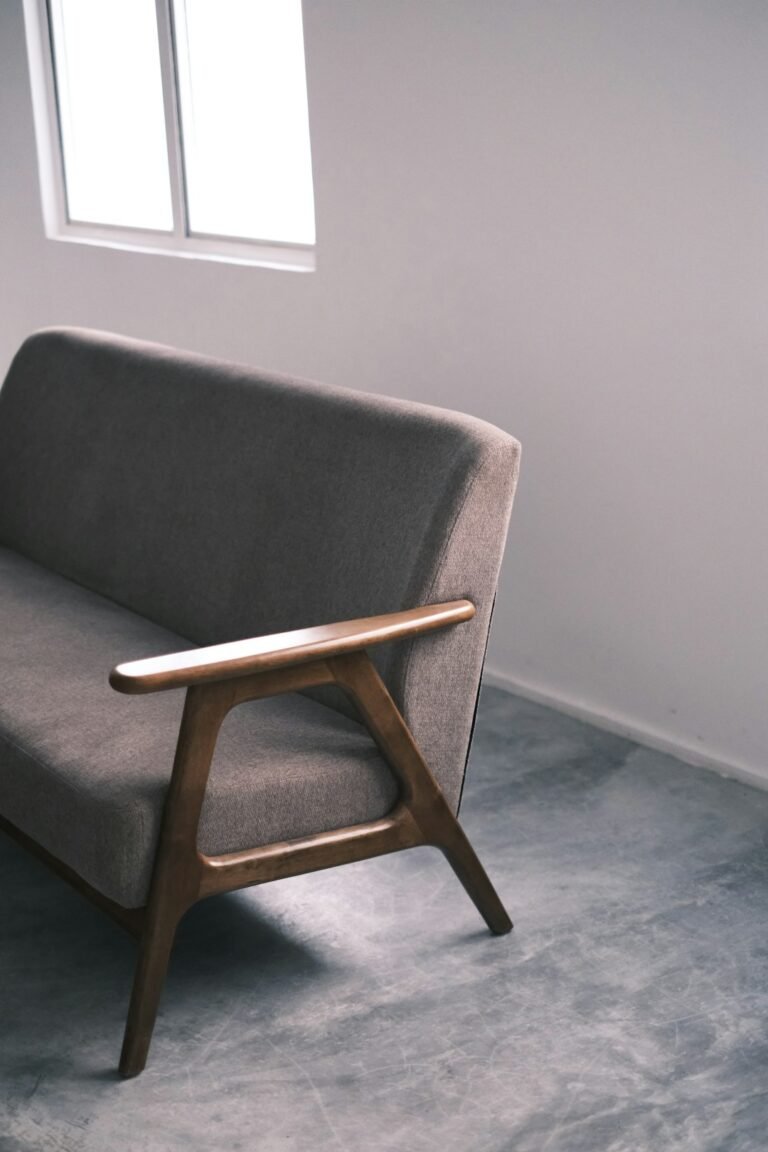
Higher arms create a more defined boundary around the seat. They can feel supportive if you like leaning sideways against the arm with a cushion, and they can give a traditional or more enclosed appearance.
High arms may suit you if you prefer a more structured sitting position or want the sofa to feel visually substantial. They can also work well on deeper sofas where the arm becomes part of the lounging support.
Compare arm height with seat height
Arm height only makes sense when you know the seat height. For example, an arm that measures 64 cm from the floor will feel very different on a sofa with a 42 cm seat than on one with a 51 cm seat.
Subtracting the seat height from the arm height gives you a rough idea of how far the arm rises above the sitting surface. This is often more useful for comfort than the floor-to-arm figure alone.
Use the HODEALS Sofa Seat Height Guide if you also want to compare how easy a sofa may feel to sit down on and stand up from.
Arm height and sofa width
Wide, chunky arms can take up a surprising amount of the sofa’s total width. Two sofas with the same overall width can have very different usable seating space if one has much thicker arms.
When space is tight, compare the overall width with the seat width between the arms. This matters especially for 2-seater sofas, where bulky arms can reduce the actual seating area.
Our Sofa Dimensions UK guide explains which measurements to record before you shortlist.
Arm height and sofa back height
The arm and back should also be considered together. A sofa with low arms and a high back can feel upright but visually open at the sides. A sofa with high arms and a lower back can feel more enclosed around the seat.
For upper-body support, see the HODEALS Sofa Back Height Guide.
Does arm height matter in a small living room?
Yes, visually. Higher or thicker arms add mass to the sofa and can make a compact room feel more filled. Low or slim arms often create a lighter profile and may preserve more visible floor and wall space.
That does not mean low arms are always better for small rooms. A narrow high-arm sofa can still use less floor area than a wide low-arm model. Measure the full footprint first and use the Sofa Clearance Guide UK to check walkways and nearby furniture.
Check the arm against side tables
If you regularly use a side table, compare its top height with the sofa arm and seat. A table that is much lower or much higher than the arm can be awkward to reach from your normal sitting position.
There is no universal perfect match, but checking the measurements together before buying can prevent an uncomfortable setup.
What about narrow arms vs wide arms?
Arm width matters as much as arm height.
- Narrow arms usually preserve more usable seat width for the same overall sofa width.
- Wide arms can feel substantial and may give you more surface to lean on, but they consume more room.
- Rounded arms often feel softer visually but can extend beyond the seat frame.
- Box or track arms create a cleaner line and can make dimensions easier to judge.
A practical sofa arm-height checklist
- Check whether the listed arm height is measured from the floor.
- Compare arm height with seat height, not in isolation.
- Check the usable seat width between the arms.
- Think about whether you lounge sideways or sit upright.
- Compare the arm with the back height and seat depth.
- Check whether thick arms reduce useful seating space.
- Consider the visual scale in a smaller room.
- Measure nearby side tables if you use them regularly.
Example UK sofa measurements
Current Oak Furnitureland listings illustrate the variation: the Morgan modular sofa lists a 50 cm arm height, while several other ranges sit around 64–67 cm. The exact seat heights and depths differ too, which is why the arm figure should never be judged alone.
Compare the whole sofa, not one measurement
Arm height can change comfort and room appearance, but it is only one part of the fit. Once you know whether you prefer a lower or higher arm, compare it alongside seat height, seat depth, back height, overall width and your available room space.
Use the HODEALS Compare tool for side-by-side facts, or use the HODEALS Fit Guide to narrow your shortlist around your room dimensions.
Reference points checked September 2026 against current UK retailer specifications. Product dimensions and measurement methods can change, so confirm the latest retailer specification before ordering.



One Comment
Comments are closed.